
Two Andalusian caves and their secrets
If you were sitting with me right now, a cup of warm jasmine tea between us, I’d tell you about two places that took my breath away. They lie hidden beneath the sunny coast of Andalusia under the white houses, palm trees, and the glittering Mediterranean. On the surface, life feels familiar and bright. But once you step underground, you meet a different world.
Let me tell you about these two caves: Cueva del Tesoro, the Cave of Treasure, and Cueva de Nerja, known as the natural cathedral of the Costa del Sol.
Two Andalusian caves and their secrets
Cueva del Tesoro - The Cave of Treasure
Just 15 km east of Málaga, in the town of Rincón de la Victoria, there’s a cliff that hides something magical: Cueva del Tesoro, the only sea-formed cave in all of Europe.
The name alone feels like an invitation to adventure. Legend says that long ago, an Arab king hid gold and jewels here, deep in the darkness. Seekers have come for centuries hoping to find it. But I’ll tell you something: when you enter, you quickly realize the real treasure isn’t coins or crowns. It’s the cave itself.
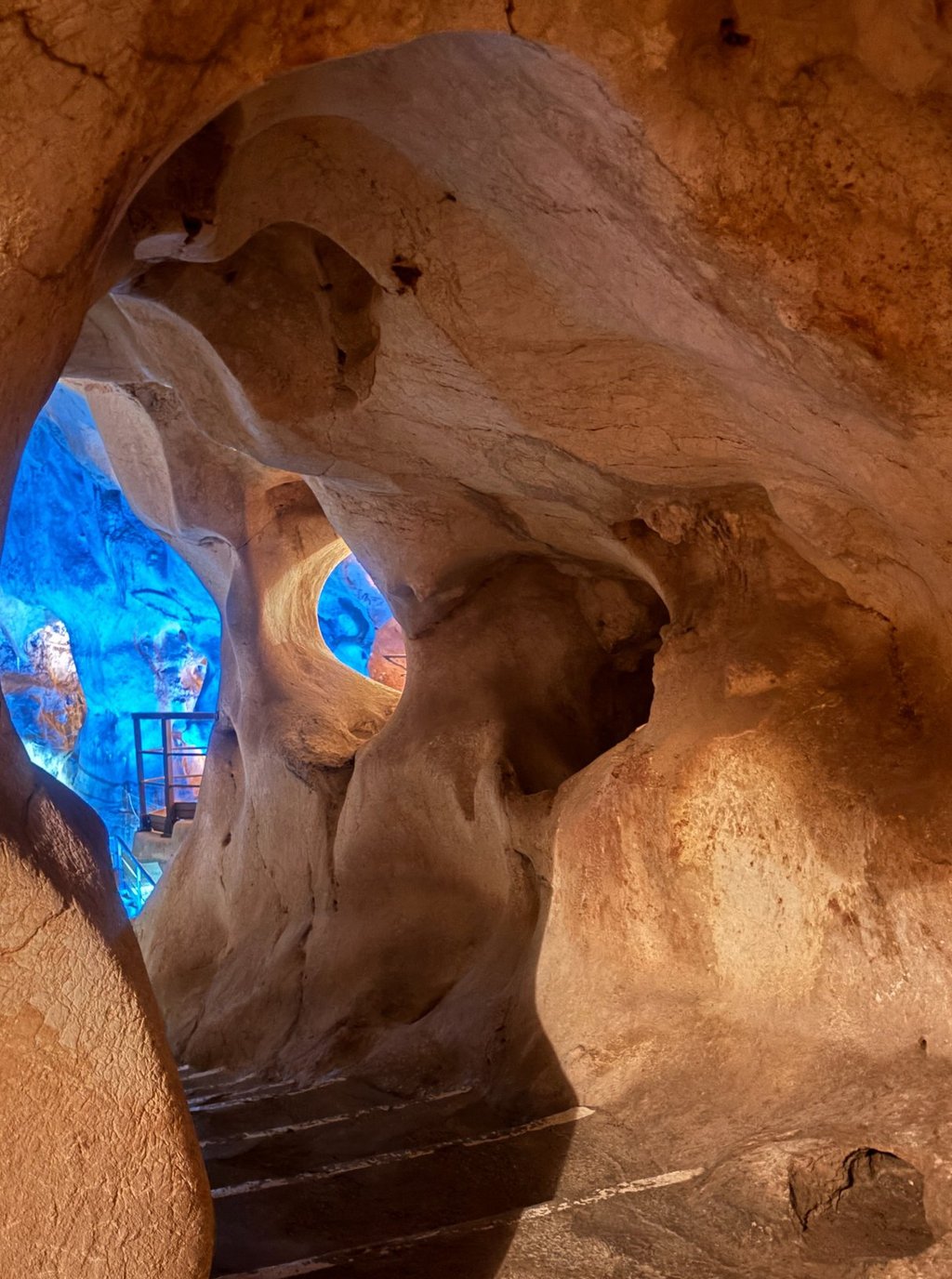
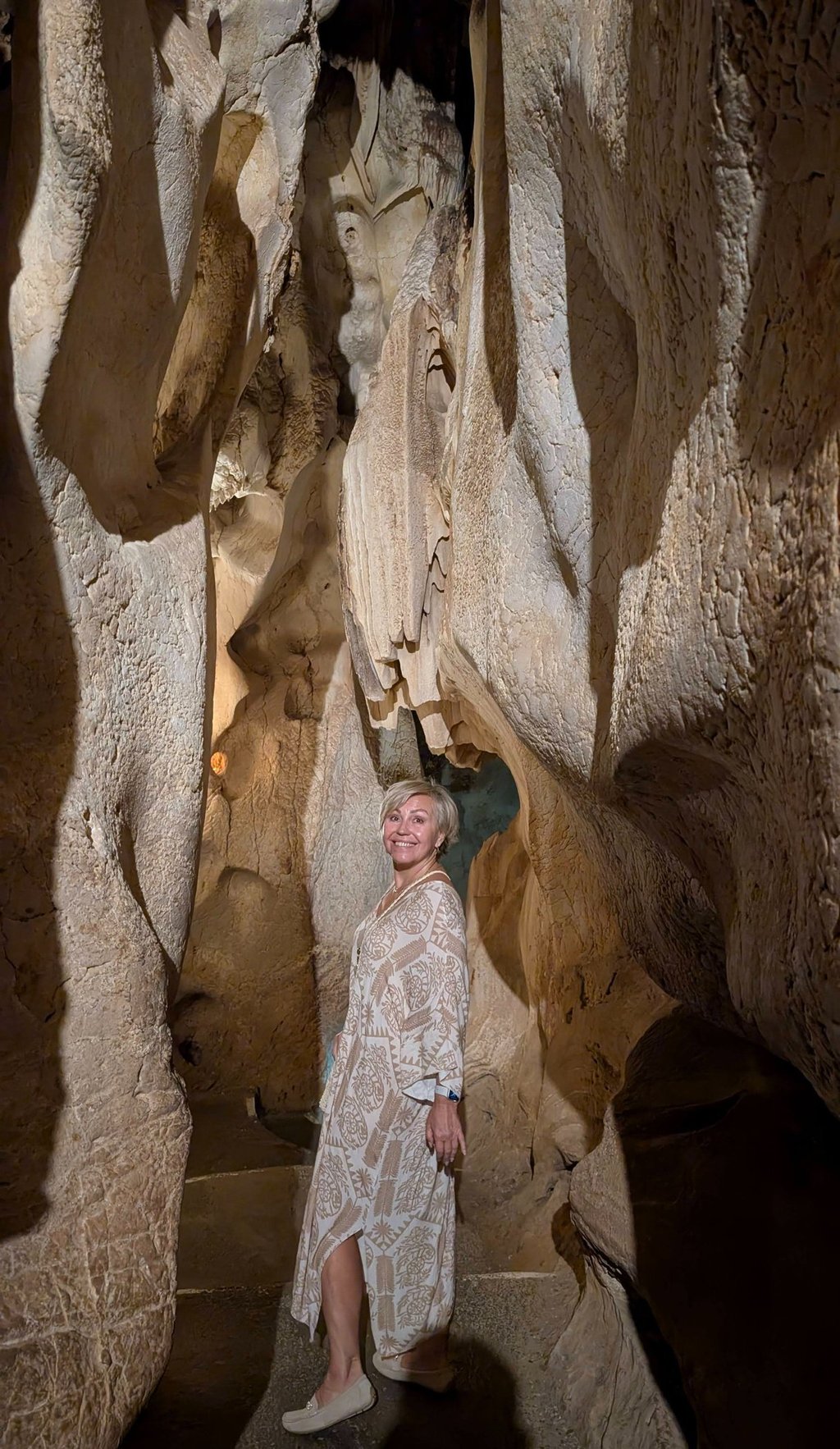
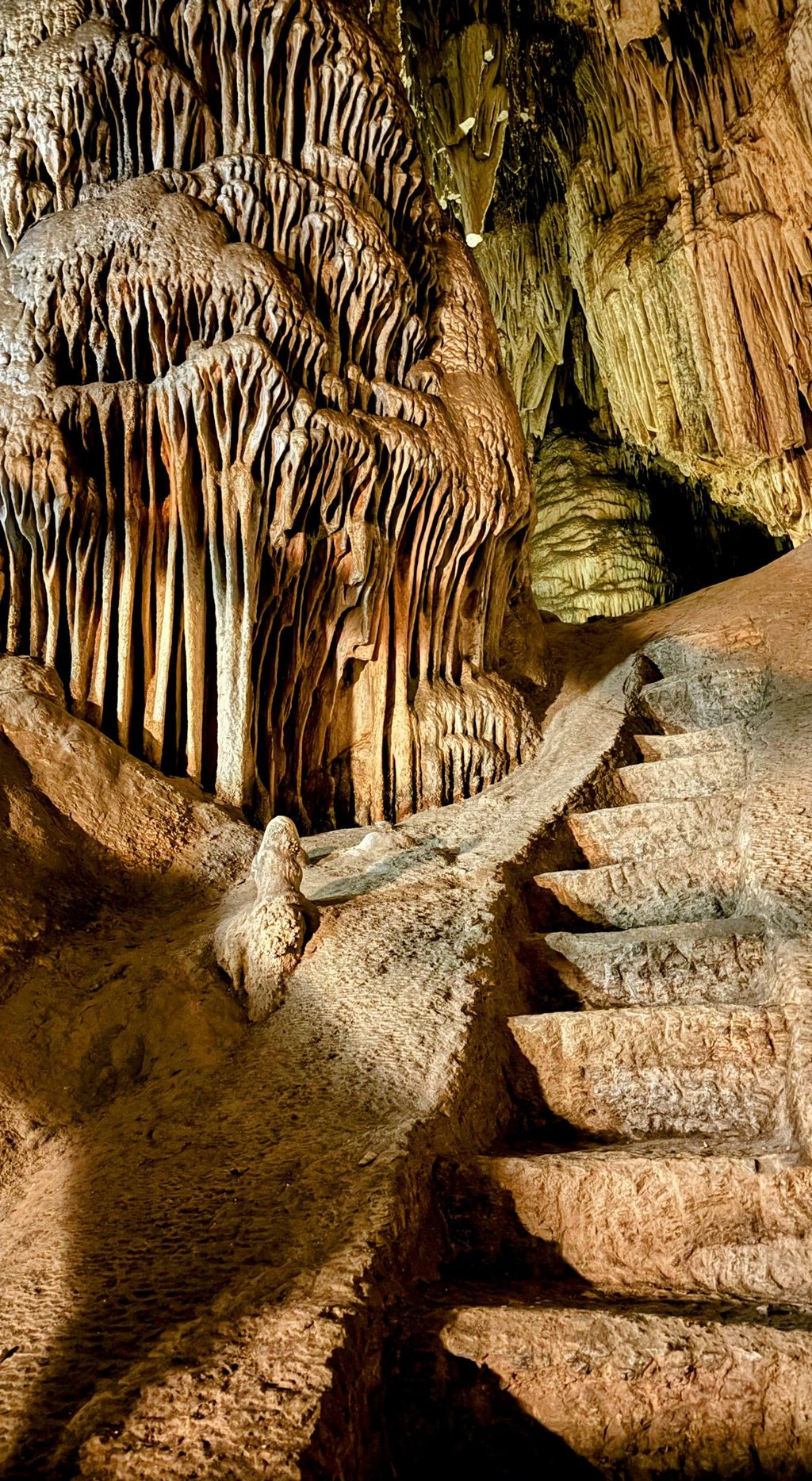
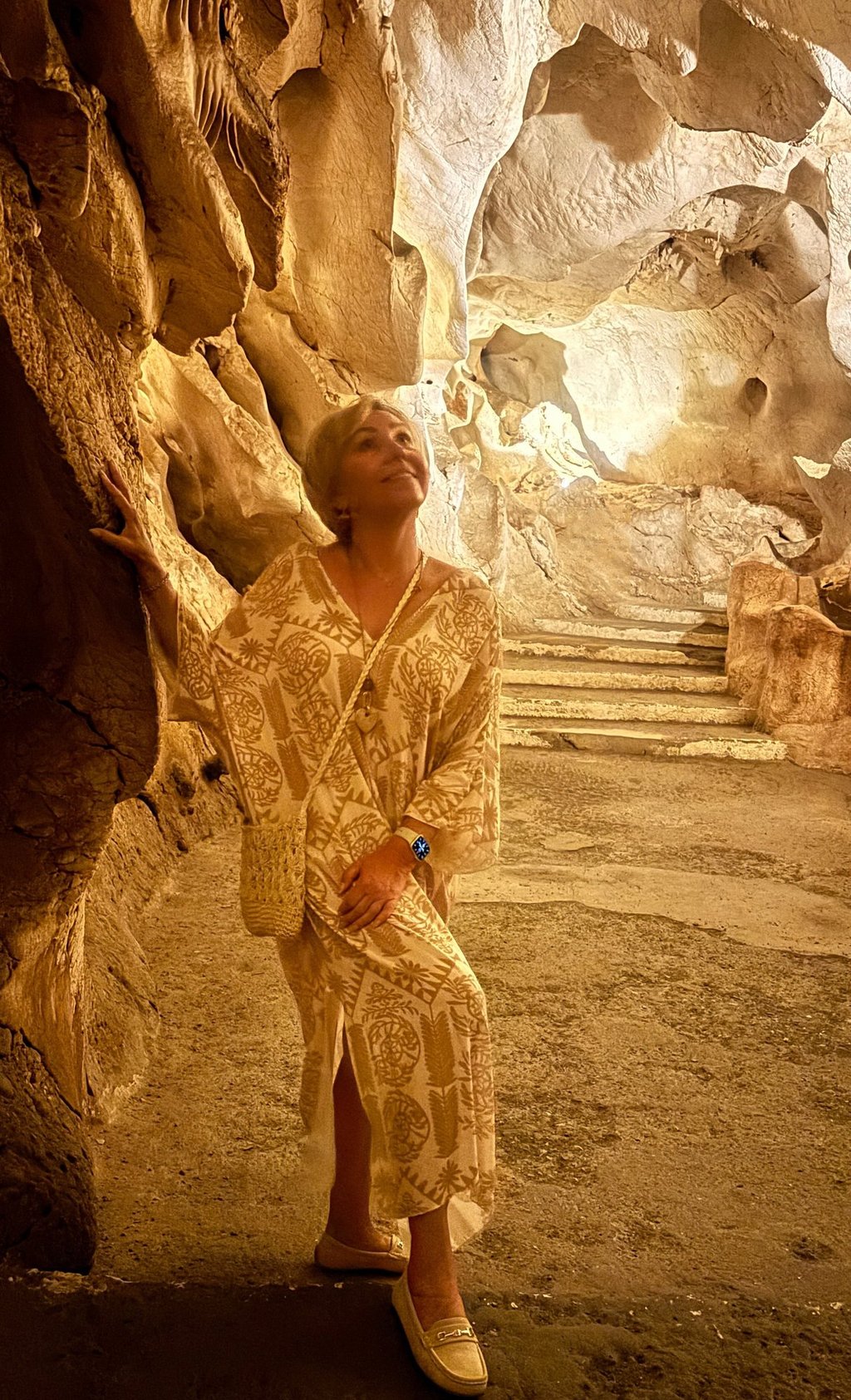
Unlike most caves in Europe, which are shaped by rivers and rainwater, this one was born of the sea. Millions of years ago, waves carved round tunnels and soft curves, as if the ocean left its signature on every wall. Walking inside feels a little like wandering inside of a giant seashell.
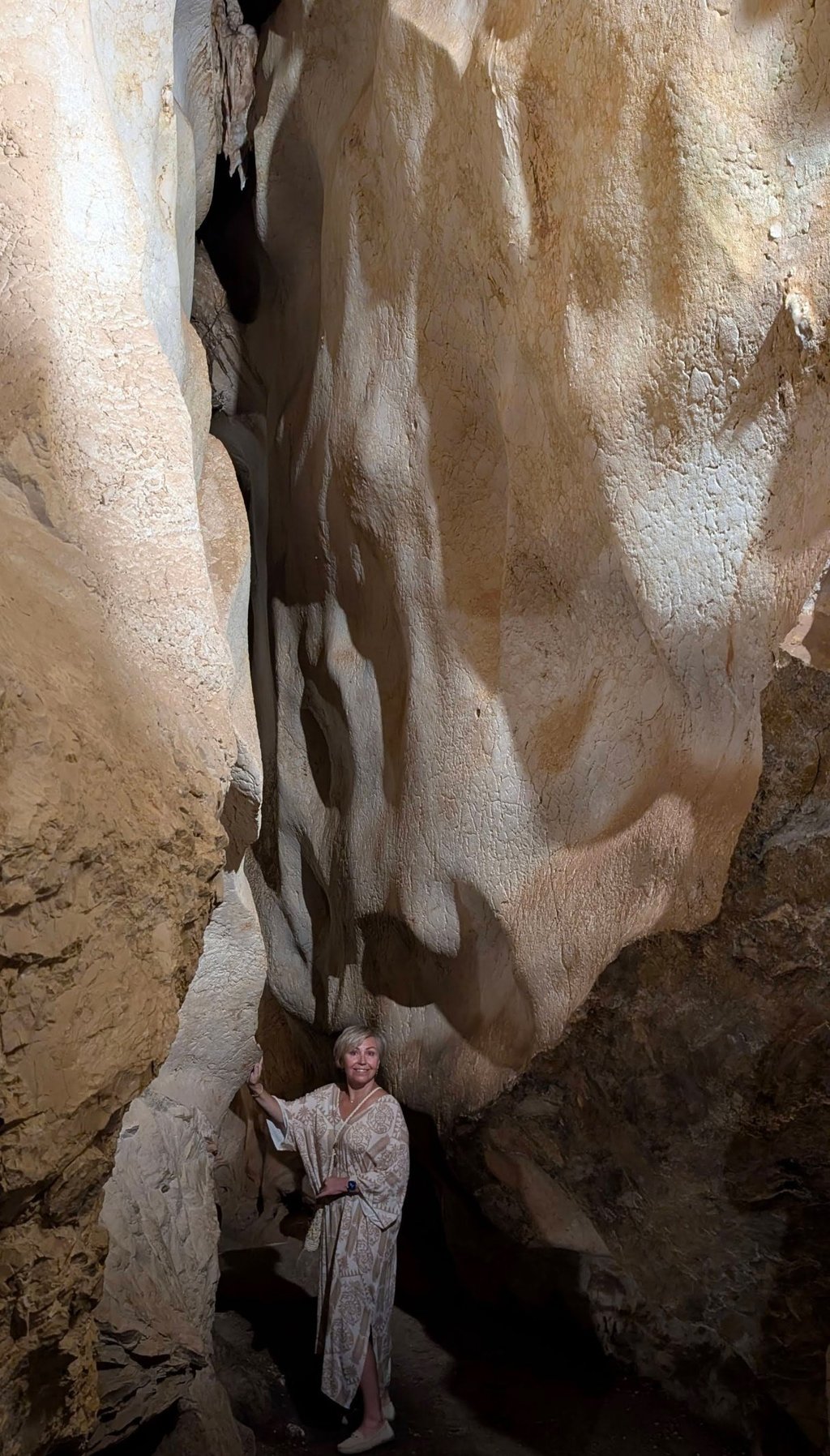


Inside, I stopped in one narrow corridor and listened. The walls seemed to breathe around me, as if holding secrets from thousands of years before I was even born. They say people painted here in prehistoric times. For a moment, I could almost sense them nearby, still whispering their stories to the stone.
Cueva de Nerja - The underground cathedral
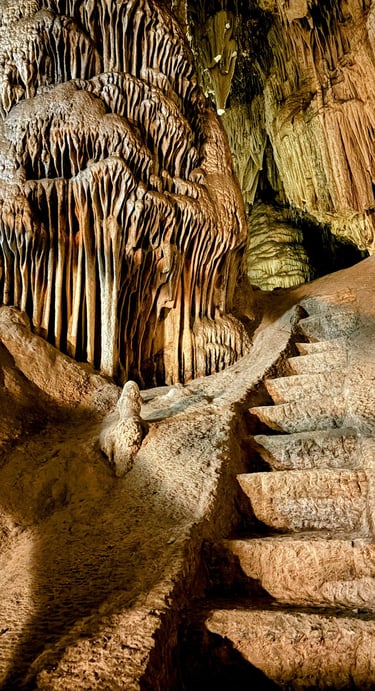
About an hour further along the coast lies Cueva de Nerja, and if the Cave of Treasure feels like a secret, this one feels like a miracle.
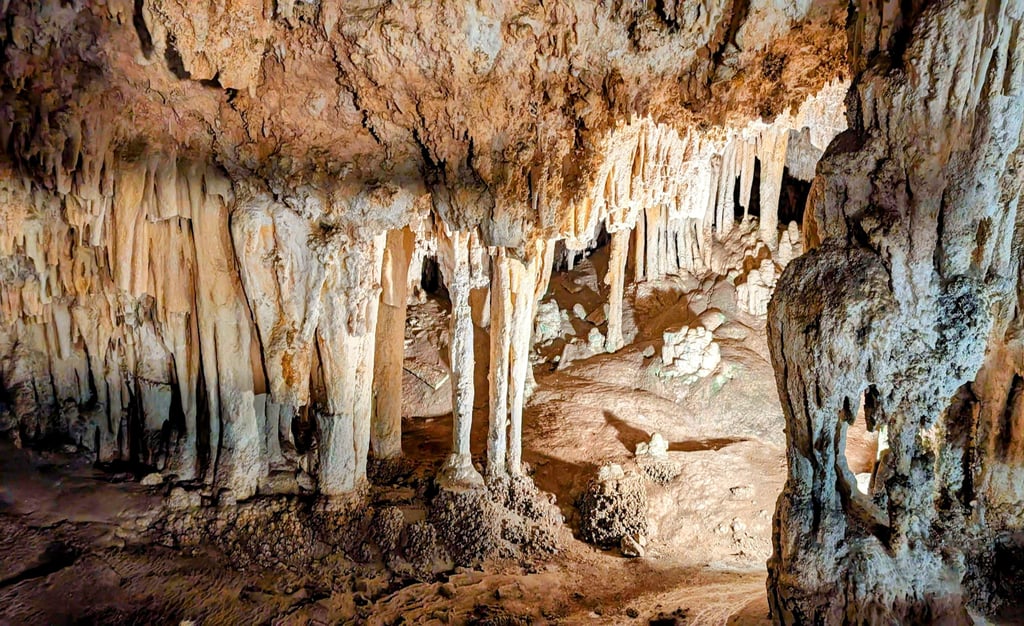

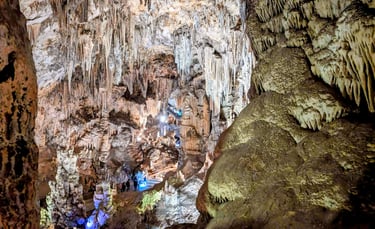
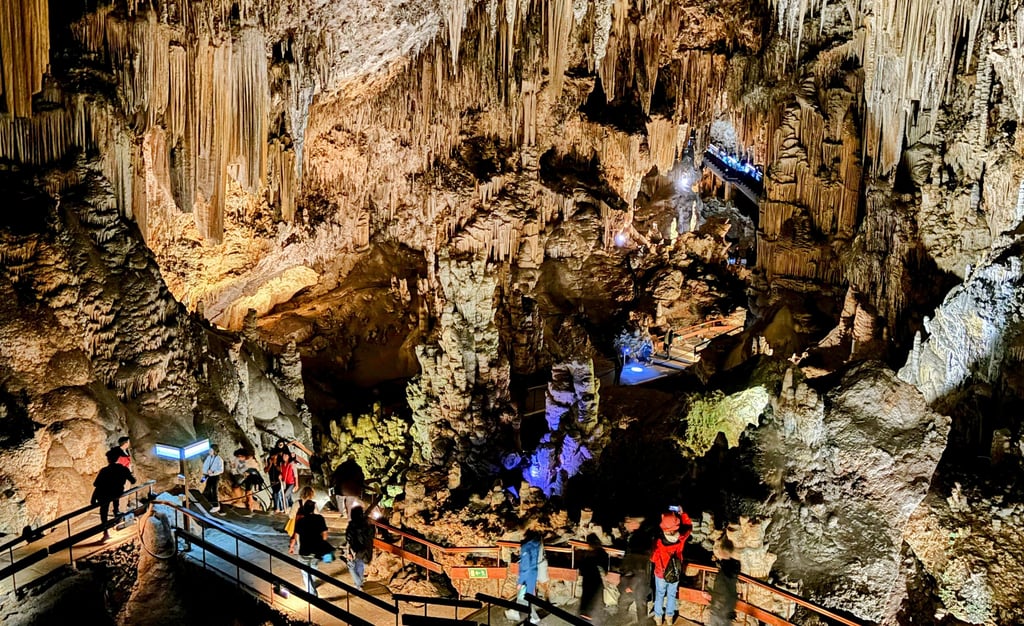
It was discovered by accident in 1959, when a group of boys chased bats through a small opening and stumbled into something astonishing. Imagine being their age, stepping into a world of giant pillars that seem to reach the sky.
One of these columns is over 32 meters high and even holds a Guinness World Record as the largest stalactite in the world. Standing there, surrounded by these formations that took thousands of years to grow, you feel suddenly very small and … very alive.
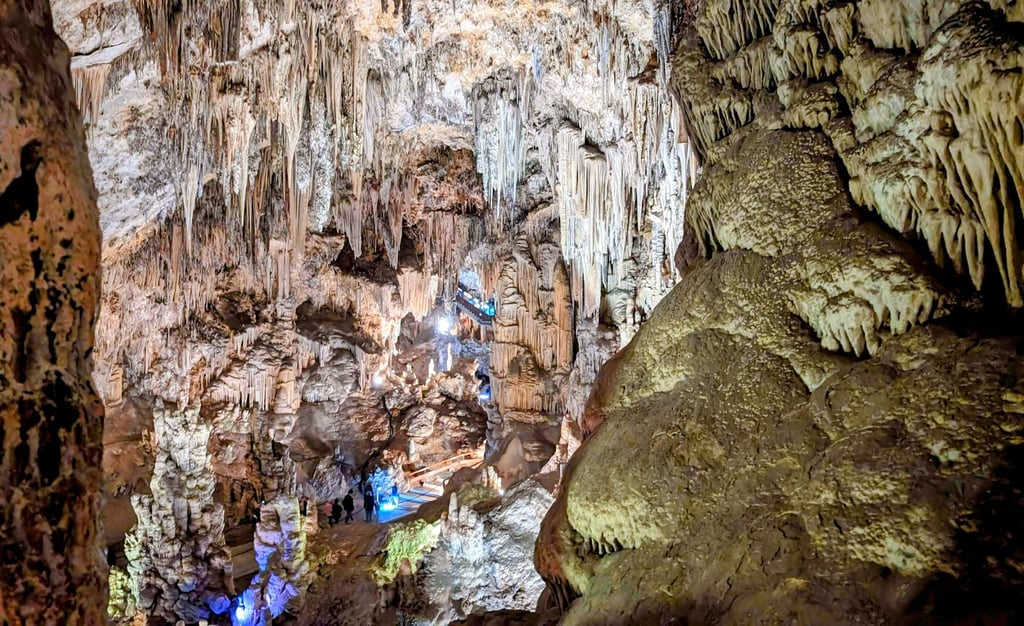
The cave holds another secret too. Deep inside are paintings of seals, made by early humans more than 40,000 years ago. You can’t see them anymore, but just knowing they exist fills the air with mystery.
And in summer, something beautiful happens. Music fills the caves - live concerts echoing through stone halls. Violins, cellos, voices - each note turning into part of the cave itself. For a few moments, the past and present breathe together.
Practical Details
Cueva del Tesoro is in Rincón de la Victoria, 15 minutes from Málaga.
The visit lasts about 30-45 minutes and is easy to walk. Tickets cost around 5-6 euros.Cueva de Nerja is in Maro, near Nerja, about an hour from Málaga.
It’s much larger, so plan for 1.5-2 hours. Tickets are around 13 euros.Both caves stay cool all year, about 19°C, so bring a light sweater and comfortable shoes.
You can take photos, but no flash - the light harms the delicate minerals.
Reflections
Visiting these two caves felt like passing through time itself. Cueva del Tesoro is gentle and mysterious, whispering of hidden treasures and the sea. Cueva de Nerja is majestic, reminding us of how small we are in the grand story of the earth.
When I stepped back into daylight, I felt different - as if I had carried something ancient back with me. A reminder that the world still hides its wonders, waiting for those who slow down, listen, and dare to wander beneath the surface.
Worlds Within
Beautiful. Unfinished. You.
Contact me:
© 2024 Worlds Within. All rights reserved.
life@worldswithin.life