
What is mono no aware? The Japanese idea that made me see beauty differently
What is mono no aware? The Japanese idea that made me see beauty differently
While planning my trip to Japan, I expected to learn practical things.
How to tell a shrine from a temple.
When to bow.
What not to do.
I did not expect to find an idea that would follow me straight into my own life.
It is called mono no aware.
And once I understood it, I could not stop thinking about it.
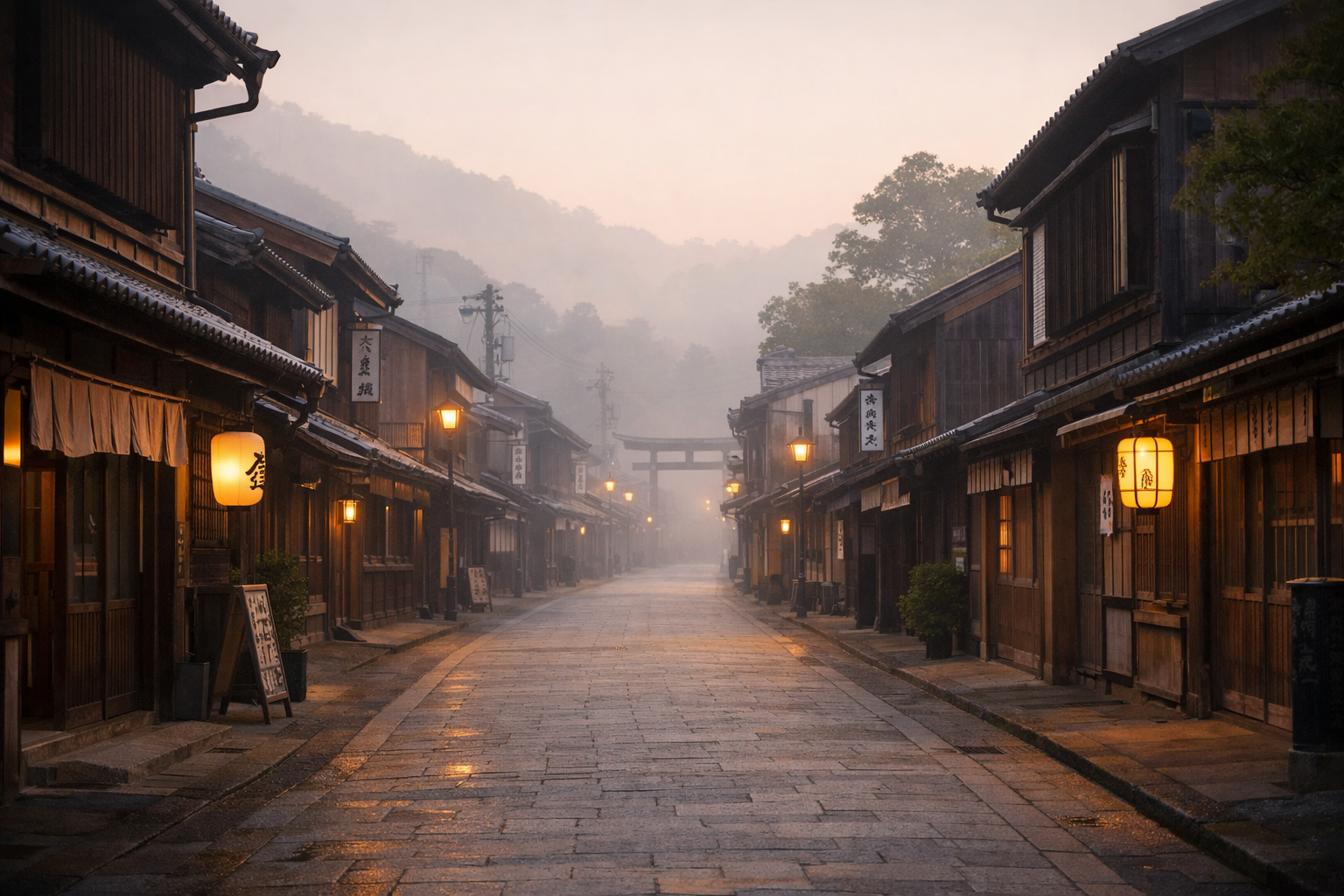
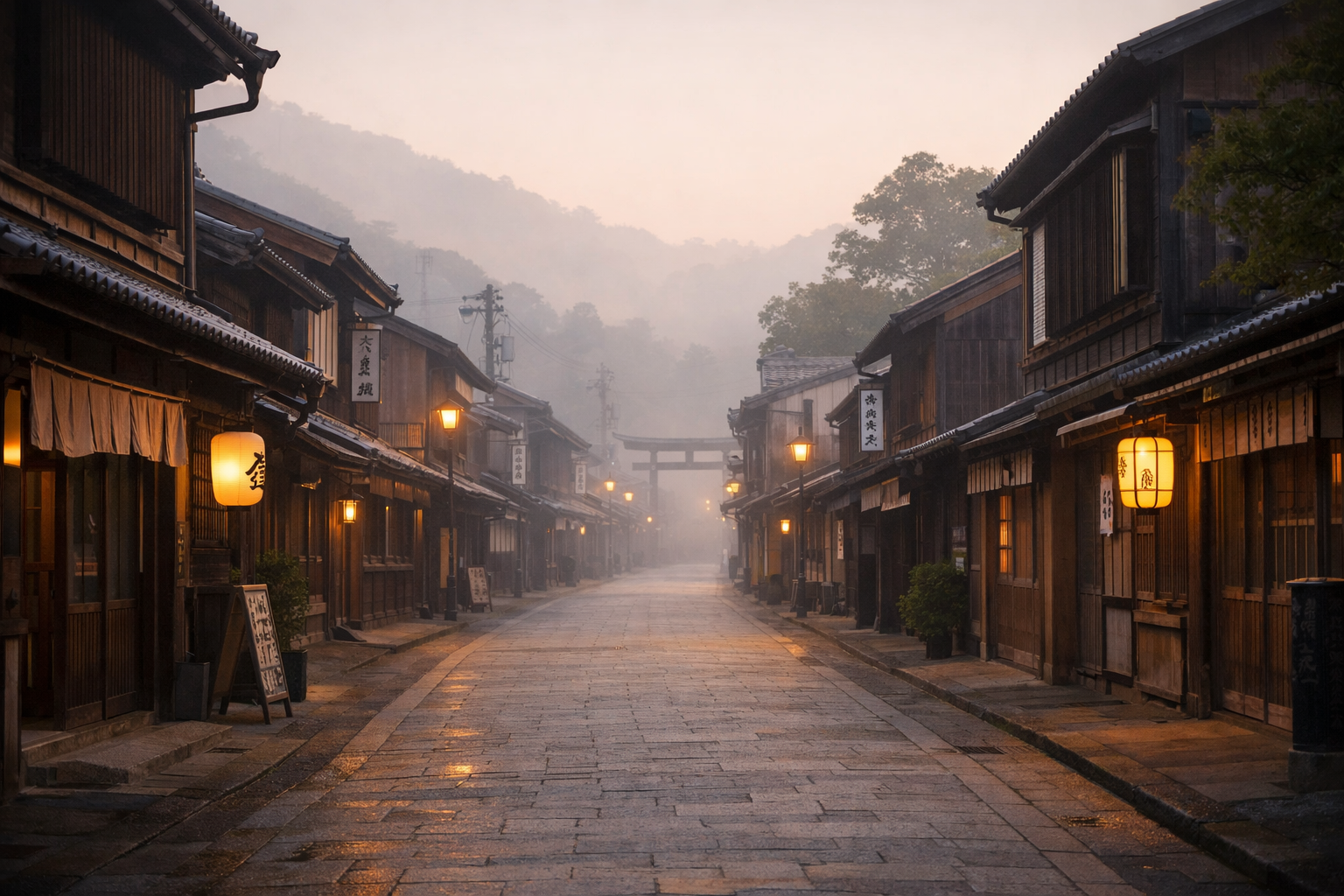
Beauty lives in what does not stay
I have always been drawn to beauty.
Beautiful faces.
Beautiful thoughts.
Beautiful rooms.
Beautiful feelings.
Beautiful moments in nature that make you stop without knowing why.
But I had never thought about beauty in Japanese terms.
Mono no aware is often described as the sadness of passing things. The bittersweet feeling that comes from knowing something beautiful will not stay.
And somehow, that knowledge does not make it less beautiful.
It makes it more.
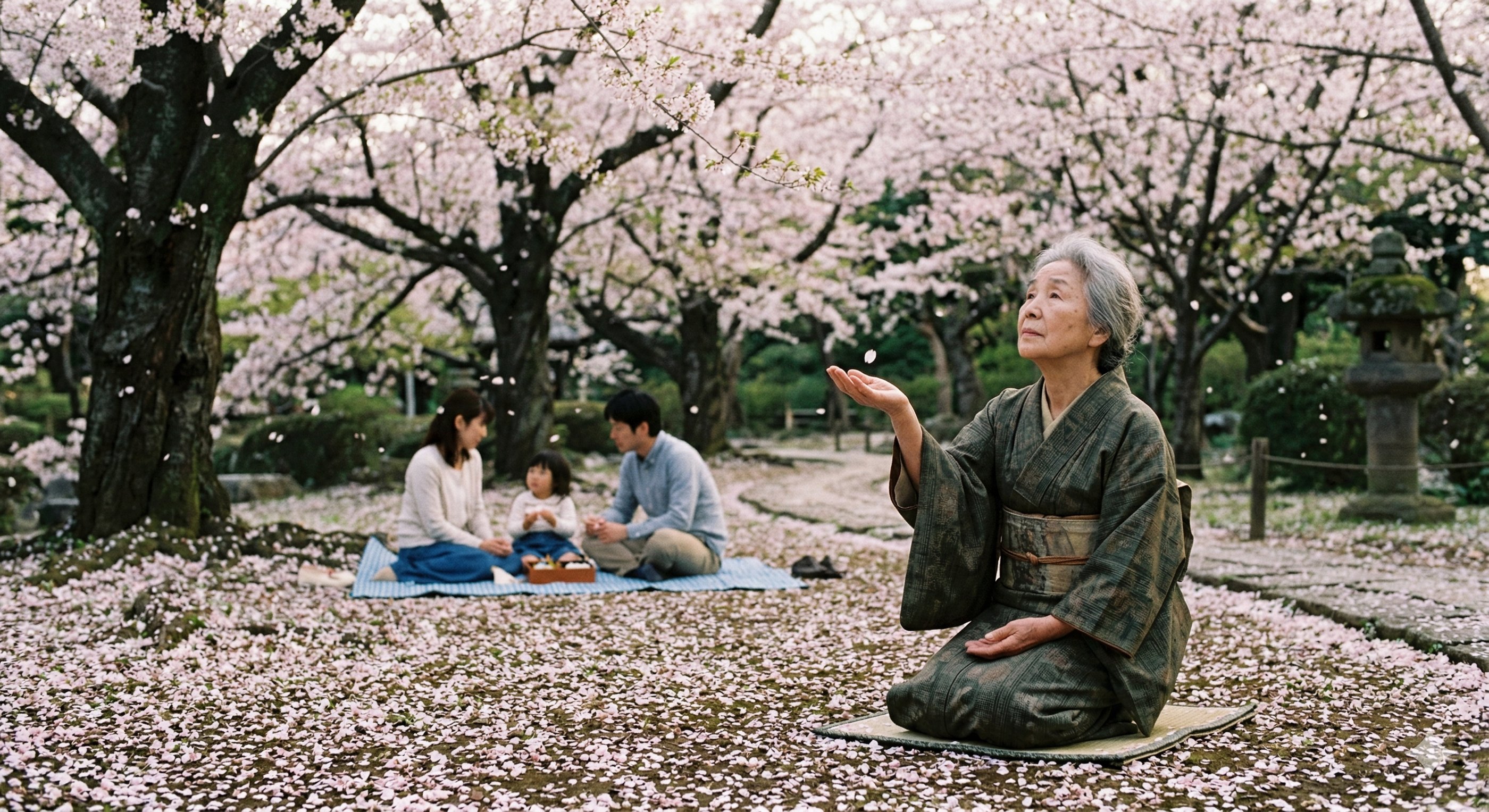
That is why cherry blossoms matter so much in Japan.
They bloom for a brief moment, and then they fall.
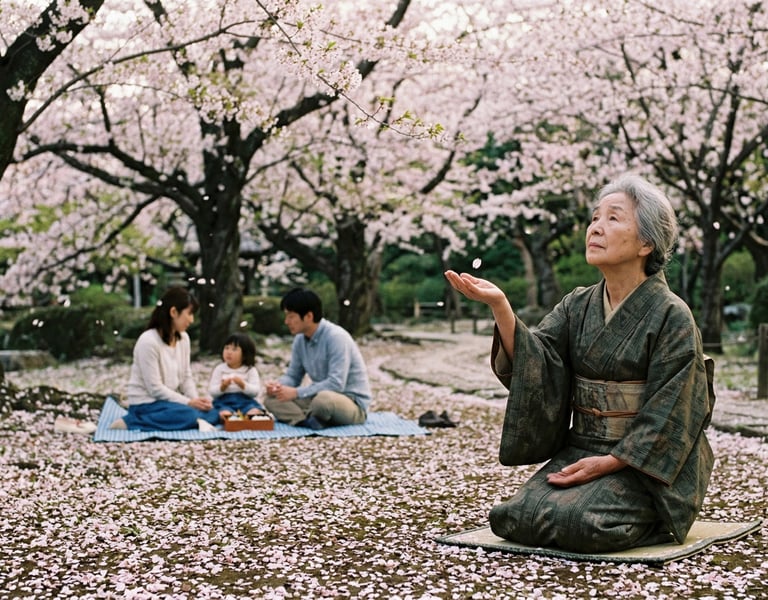
If they lasted for months, perhaps nobody would look at them with the same tenderness. It is their fragility that makes people gather under the trees, not only to admire the blossoms, but to feel the beauty of watching them drift away.
I think that is one of the most truthful ideas I have ever come across.
The sadness is part of the beauty
We often act as if sadness means something has gone wrong.
As if every ending is a problem to solve.
As if loss is always failure.
As if the goal is to hold on, preserve, prevent, prolong.
But mono no aware says something else.
It says that sadness can be the natural feeling of loving something that cannot stay.
A season of life.
A face in the mirror.
A version of yourself.
A child becoming an adult.
A home.
A love.
A dream you once lived inside.
Not everything that hurts is wrong.
Sometimes it hurts because it mattered.
And sometimes the ache is not separate from the beauty. Sometimes it is part of it.
Why it struck me so deeply
This was the part that stopped me.
Because it is not only about cherry blossoms.
It is about every life phase we outgrow.
Every relationship, job, dream, or self-image that once fit and then no longer did.
That strange ache we feel in transitions may not be failure.
It may just be life moving.
And life moving can be beautiful, even when it hurts.
Two different ways of loving time
Then I thought that these may be two different ways of loving time.
Mono no aware finds beauty in the fact that things pass. It asks us to notice what fades, ages, changes, disappears.
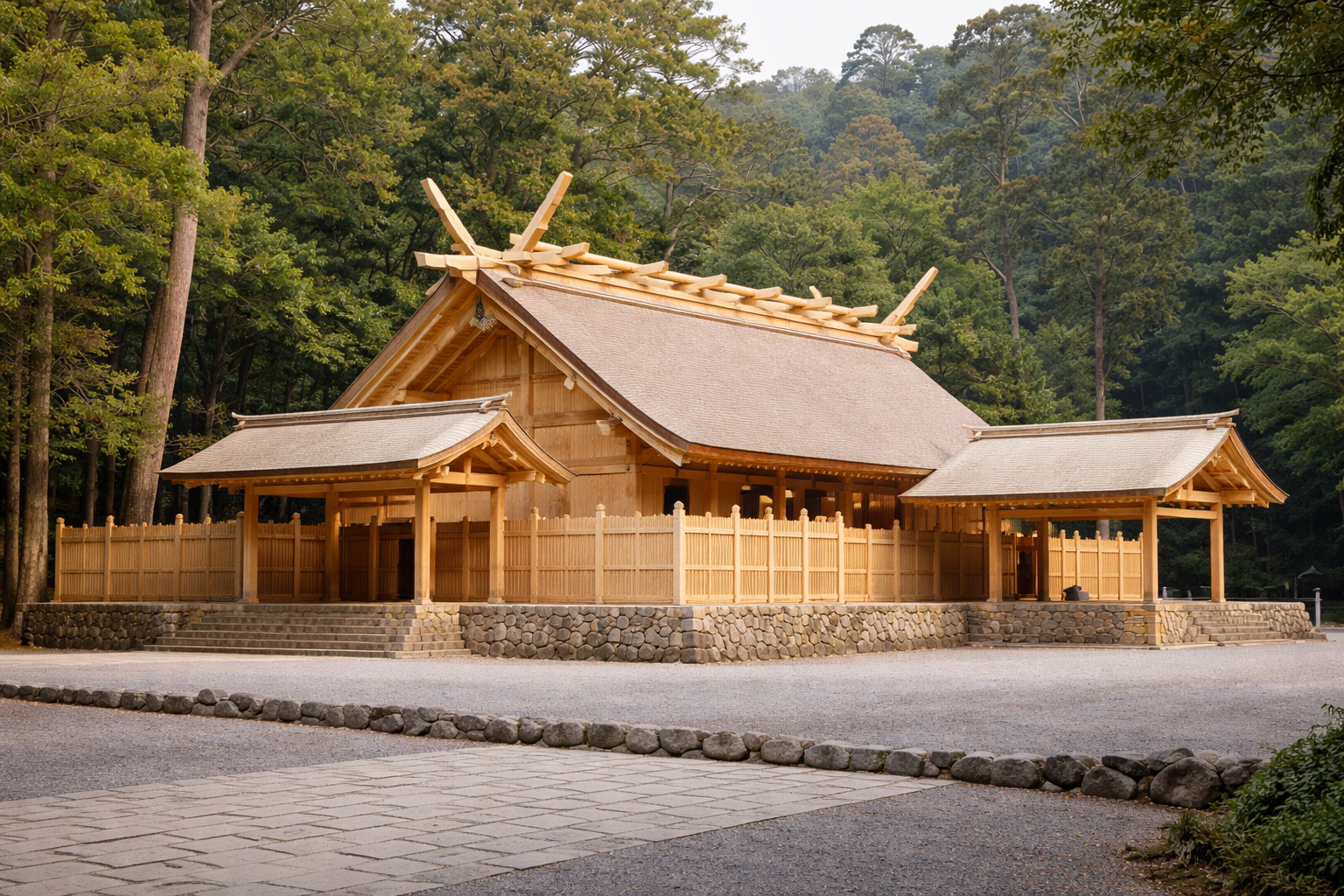
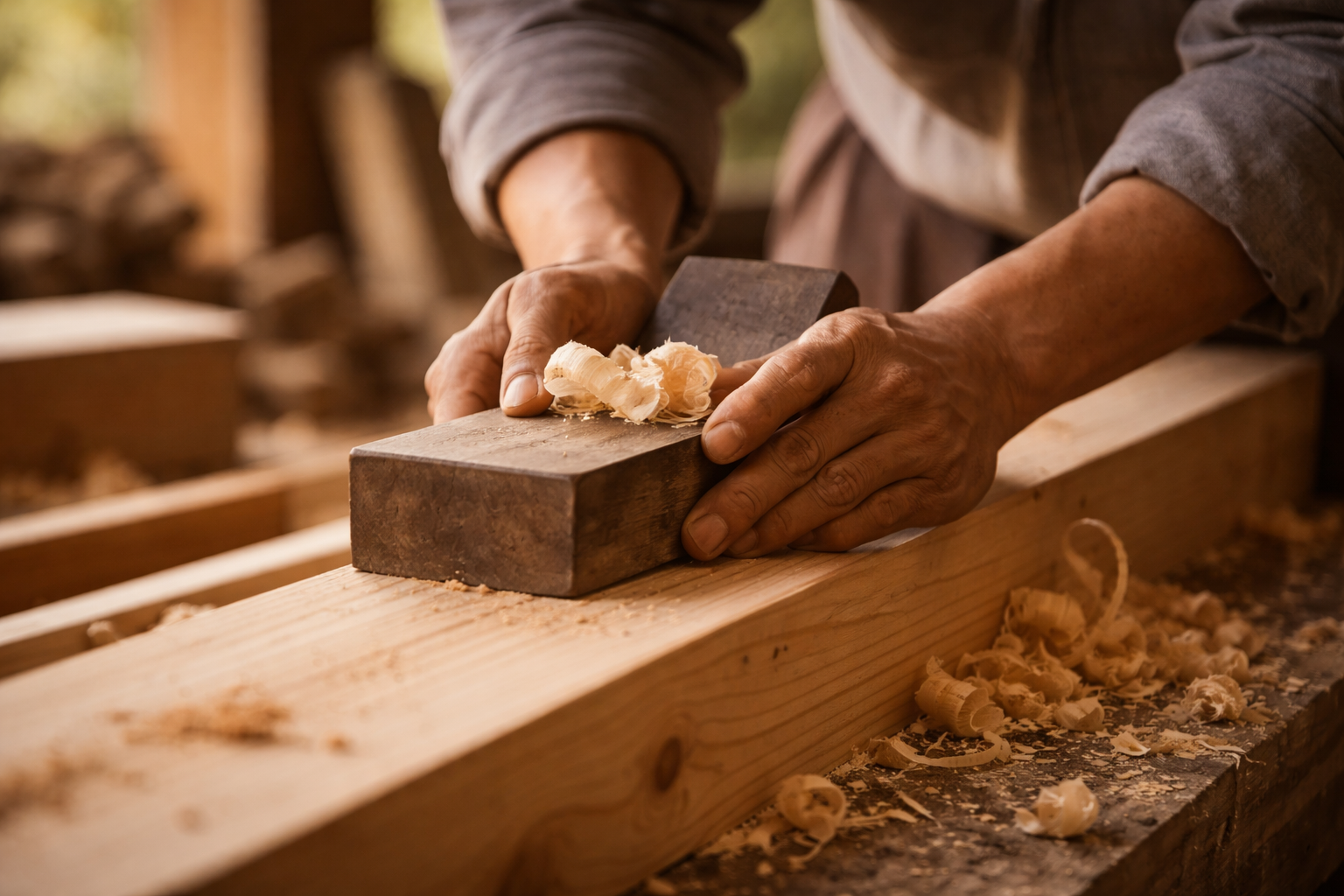
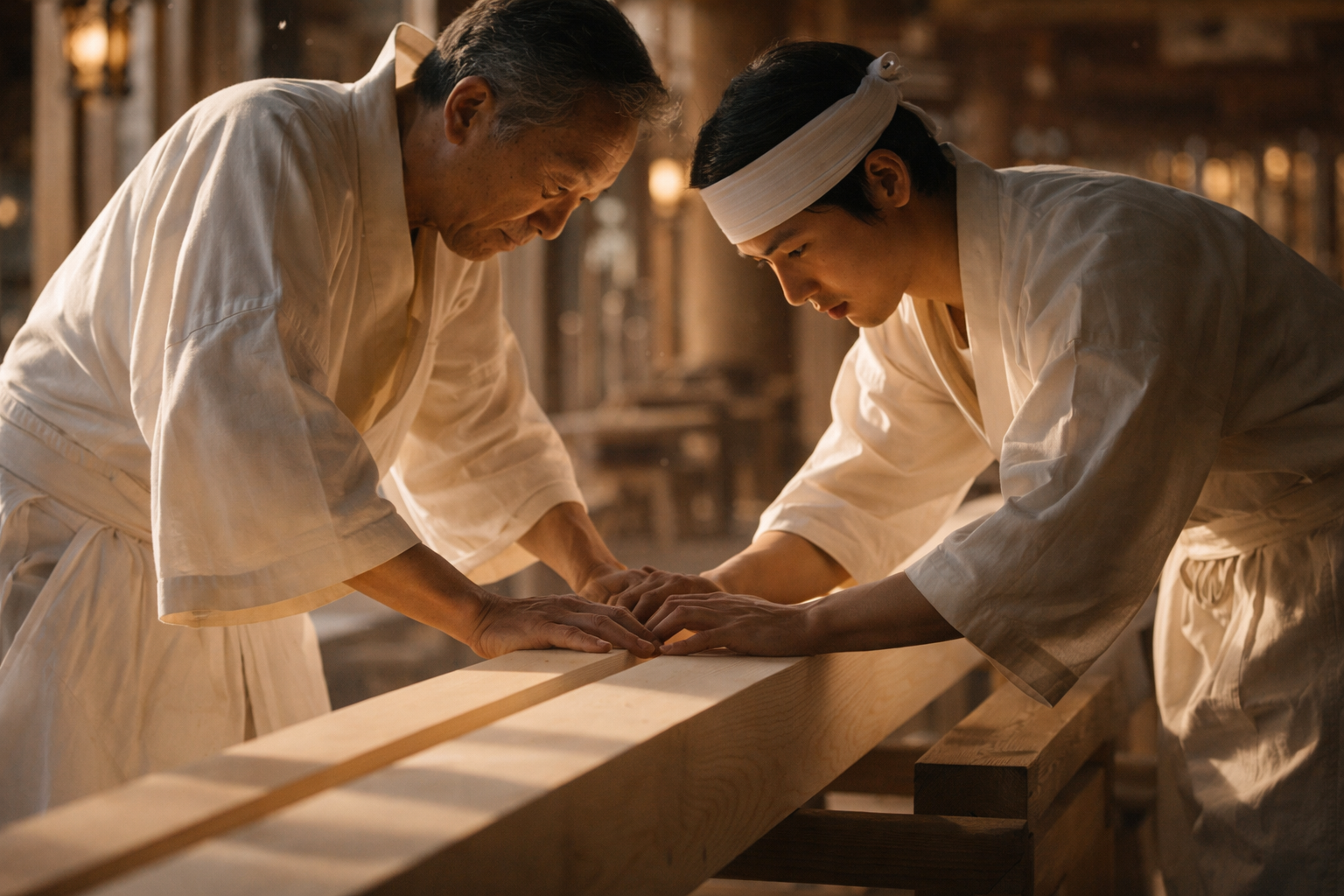
But the rebuilding of Ise Shrine seems to express something else: that continuity does not always live in the material itself. Sometimes it lives in the form. In the care. In the devotion. In the act of beginning again.
The wood is new.
But the gesture is ancient.
The building is renewed.
But the meaning continues.
And suddenly this felt familiar too.
Because human life is like that.
There are parts of us that become beautiful because time touches them. A softness. A wisdom. A depth that only comes through living.
And there are other parts that survive only if we renew them. Our courage. Our curiosity. Our identity. Our capacity to begin again after loss, illness, heartbreak, disappointment, or simply change.
Maybe we need both.
The ability to grieve what passes.
And the willingness to rebuild what matters.
Made of new wood
That may be the idea I want to keep.
Not everything beautiful must be preserved exactly as it was.
Sometimes we are still ourselves, only made of new wood.
I have not even left for Japan yet.
And still, I feel as if something in me has already travelled.
That is what a real question can do.
If you follow it far enough, it does not just teach you about another culture. It teaches you something about your own life.
This Japanese idea did that for me.
It reminded me that endings are not always failures.
That change is not always loss.
That beginning again can be beautiful.
Sometimes beauty is strongest because it disappears.
And sometimes beauty lives in the courage to begin again.
Then I found something that confused me
Just when I thought I had understood this Japanese way of seeing beauty, I came across something that seemed to say the opposite.
Then I found Ise Shrine, the most sacred Shinto shrine.
It is rebuilt every 20 years.
Not repaired.
Rebuilt.
New wood. Same form. Same proportions. Same sacred design. Again and again. 62 times since the 7th century.
At that point I thought: wait, what?
How can a culture that sees beauty in impermanence also find beauty in rebuilding something before it has even had time to grow old?
Was that not the opposite of mono no aware?
I could not stop thinking about that either.
More from Worlds Within
Worlds Within
Beautiful. Unfinished. You.
Write to me:
© 2026 Worlds Within. All rights reserved.