
Montaigne. I’m 59. Still curious. Still learning.
Montaigne. I’m 59. Still curious. Still learning.


Michel de Montaigne died at 59.
I’m 59 now. And I find myself wondering:
have I learned anything close to what he learned?
Or am I only arriving at a doorway he stepped through centuries ago?
Montaigne believed that thinking about death brings life into sharper focus.
Not to make us dramatic, but to peel away illusions:
the pride, the “shoulds,” the expectations we inherit without noticing.
When we remember that time isn’t endless, it becomes easier to see what actually matters.
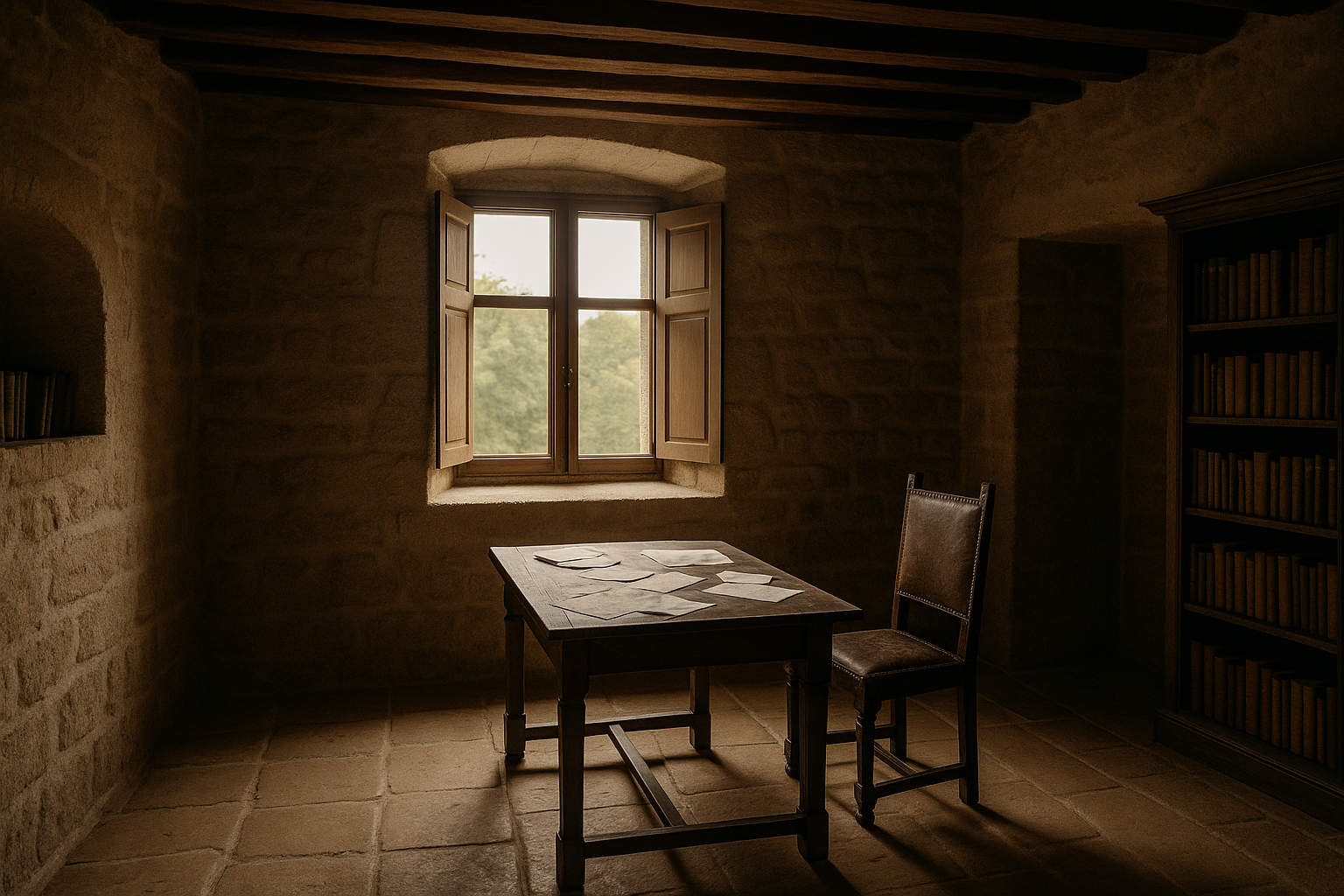
He wrote his essays to make sense of his own thoughts.
I write these posts for the same reason.
He had Renaissance wine; I have jasmine tea.
He had a stone tower; I have a laptop in a quiet northern living room
or a sunlit corner in Marbella.
Different centuries. Same human need:
to understand ourselves while we’re still here.


During my cancer treatment, I felt that clarity Montaigne wrote about.
When you’re fighting for your life, everything unnecessary falls away in seconds.
There’s no room for pretending.
I knew exactly what mattered:
my boys,
my breath,
the next morning.
And when my body healed, the old illusions slowly drifted back,
like dust settling again on a clean table.
Now, at 59, that sharpness returns -
not from fear this time,
but from awareness.
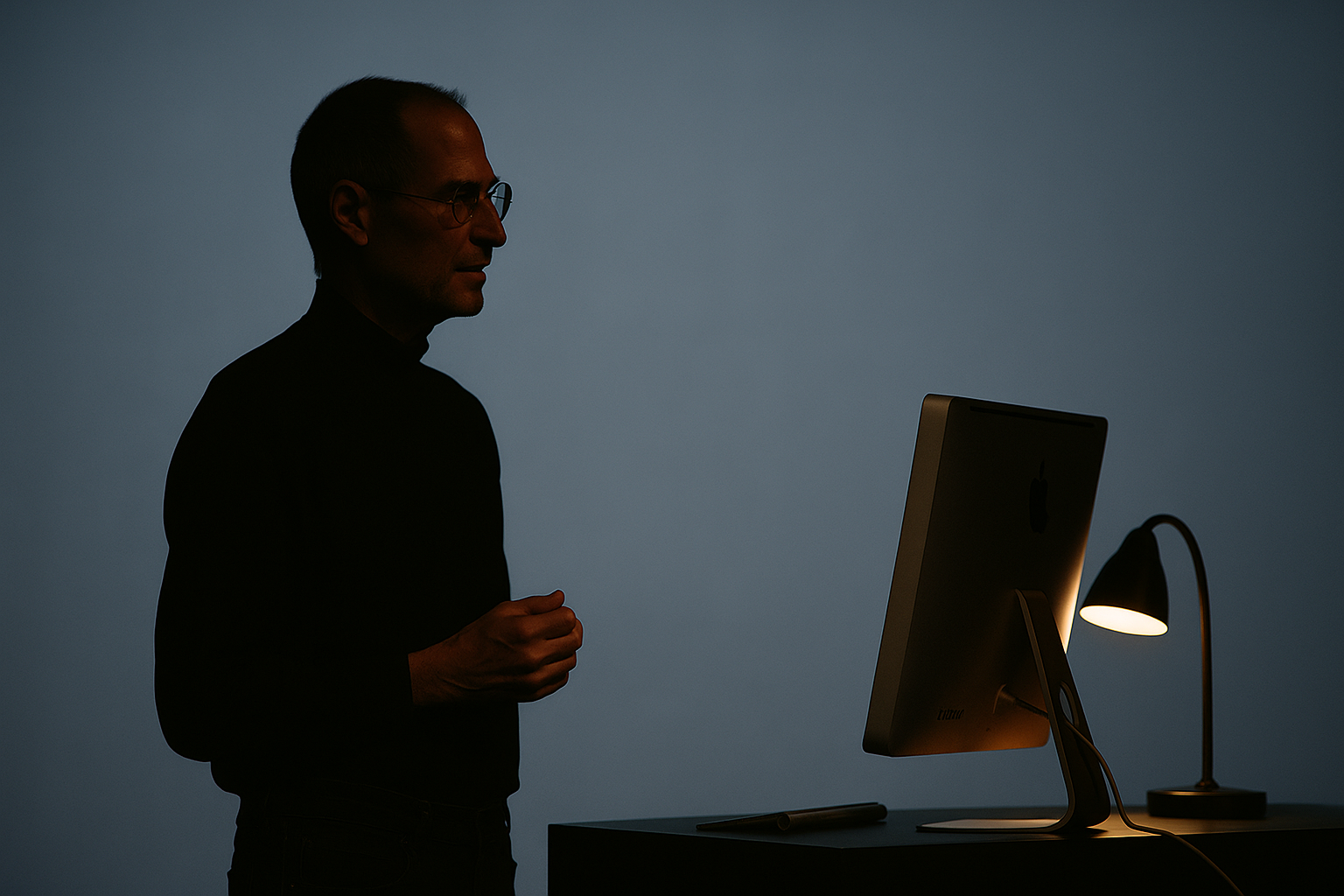

Recently I revisited Steve Jobs’ words:
“The memory of my impending death is the most important tool that helps me make difficult decisions… everything else crumbles in the face of death, leaving only what truly matters.”
Different century.
Same truth:
Aging, when we stop fighting it, is a liberation.
Not a loss.
A gift.


These days, I’m less interested in ambition and more drawn to simplicity:
early mornings,
a walk,
a sentence that makes me stop and smile,
a friend who listens instead of fixing.
I don’t want to conquer the world.
I want to understand it.
Feel it.
Be part of it… without rushing.
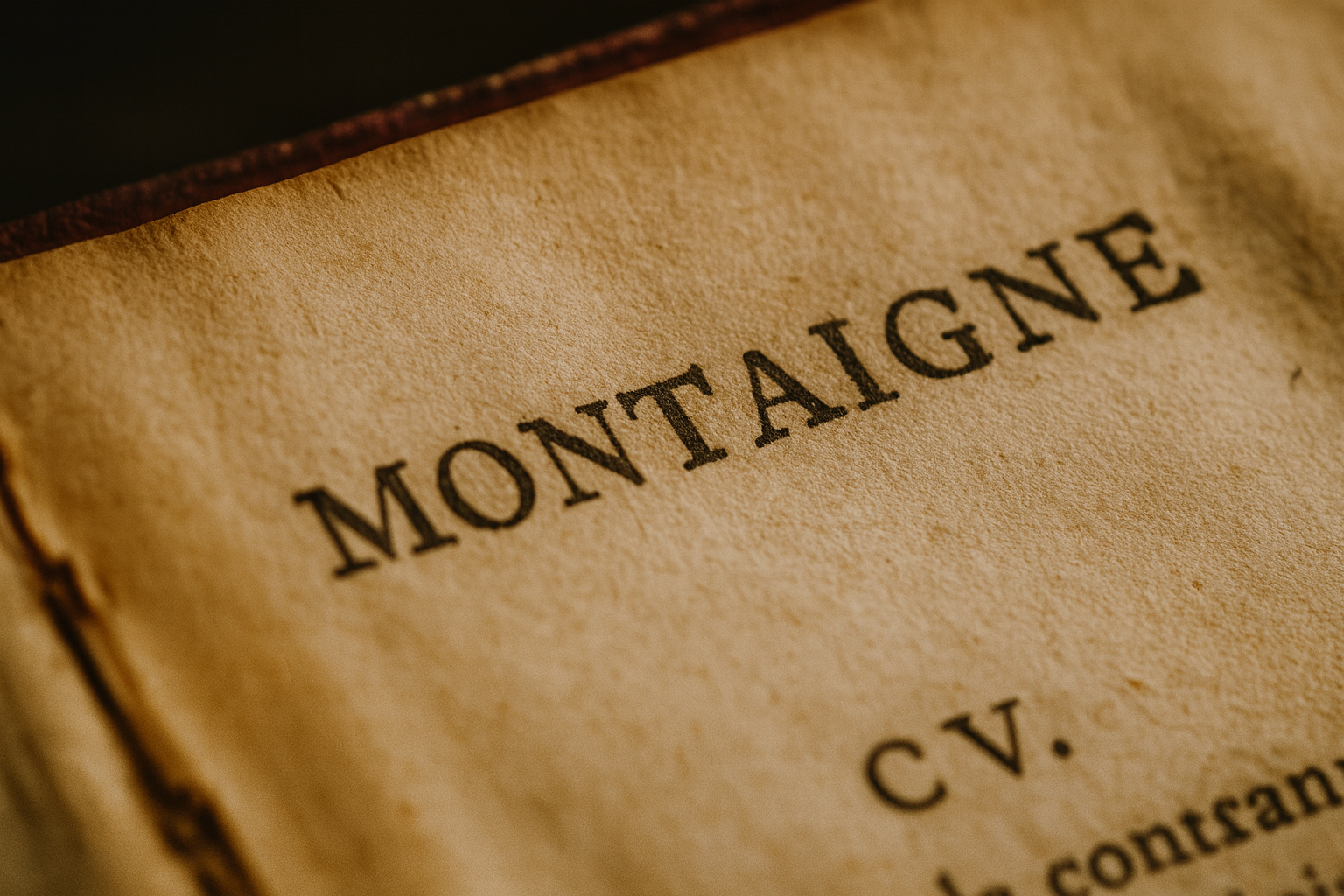
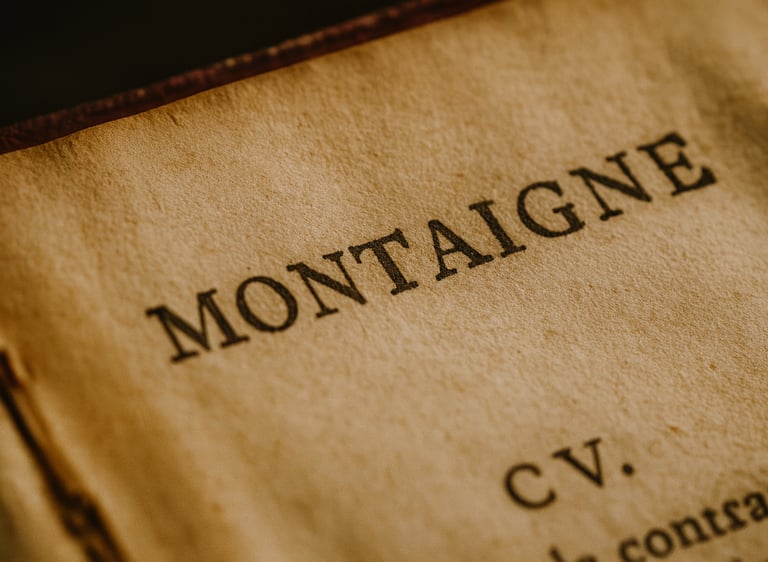
Montaigne wrote: “To philosophize is to learn how to die.”
In my twenties, it sounded carved in stone.
Now it feels almost comforting.
Maybe he meant this:
the more we accept endings, the more space we have for beginnings.
The less we pretend.
The more we laugh at our fears, our vanity, our human little dramas.


Montaigne’s 5 pieces of advice for aging well
1. Don’t fear death. It’s the thought of it that hurts more than the reality.
Montaigne believed that reflecting on death isn’t morbid. It’s liberating. It helps you stop wasting life on things that don’t matter.
2. Laugh at yourself more.
He trusted humor over pride. A lighter heart carries you further, especially as you age.
3. Choose simplicity over noise.
Books, slow walks, a quiet home, a few real friendships. He believed these are enough to live well.
4. Pay attention to your inner life.
Montaigne wrote endless essays simply to understand himself better. He’d say: “Stay curious about your own mind. It changes more often than you think.”
5. Stay a student of life until the end.
Read, write, observe, question. Montaigne believed that aging is not about closing down, but about sharpening your understanding of what it means to live.
Epicurus, too, saw death not as something to fear, but as a return to peace.
His epitaph read:
Non fui, fui, non sum, non curo.
I was not. I was. I am not. I do not care.
A simple return to before and after.


So maybe the real question at 59 isn’t:
“Who should I become next?”
but:
“What have I overlooked in who I already am?”
Maybe learning to die is also learning how to live -
with a bit more laughter,
a bit more softness,
and eyes that stay open.
I’m 59.
Still curious.
Still learning.
Still here.
This article is part of my series on Aging with wisdom.
Read also:
Cicero would’ve been a great dinner guest
Confucius didn’t rush. Maybe I shouldn’t either
Nietzsche. Too old for pretending, too young to stop
The future is new. The Stoics are timeless.
Worlds Within
Beautiful. Unfinished. You.
Contact me:
© 2024 Worlds Within. All rights reserved.
life@worldswithin.life